602-461-7219

Phoenix Technology Solutions
  • Home
  • Is This You?
  • 10 Things We Do Better
  • Services
    • Managed Services
    • Backup and Disaster Recovery
    • IT Consulting
    • VoIP/Phone Solutions
    • Email / Spam Protection
    • Hosted Solutions
    • Virtualization
  • Contact Us
  • Menu Menu
  • Link to Facebook
  • Link to X
  • Link to LinkedIn
  • Link to Rss this site

Tag Archive for: Cyber

Researchers Quietly Cracked Zeppelin Ransomware Keys

November 17, 2022/0 Comments/in Blog/by Phoenix Technology

Peter is an IT manager for a technology manufacturer that got hit with a Russian ransomware strain called “Zeppelin” in May 2020. He’d been on the job less than six months, and because of the way his predecessor architected things, the company’s data backups also were encrypted by Zeppelin. After two weeks of stalling their extortionists, Peter’s bosses were ready to capitulate and pay the ransom demand. Then came the unlikely call from an FBI agent. “Don’t pay,” the agent said. “We’ve found someone who can crack the encryption.”

Peter, who spoke candidly about the attack on condition of anonymity, said the FBI told him to contact a cybersecurity consulting firm in New Jersey called Unit 221B, and specifically its founder — Lance James. Zeppelin sprang onto the crimeware scene in December 2019, but it wasn’t long before James discovered multiple vulnerabilities in the malware’s encryption routines that allowed him to brute-force the decryption keys in a matter of hours, using nearly 100 cloud computer servers.

In an interview with KrebsOnSecurity, James said Unit 221B was wary of advertising its ability to crack Zeppelin ransomware keys because it didn’t want to tip its hand to Zeppelin’s creators, who were likely to modify their file encryption approach if they detected it was somehow being bypassed.

This is not an idle concern. There are multiple examples of ransomware groups doing just that after security researchers crowed about finding vulnerabilities in their ransomware code.

“The minute you announce you’ve got a decryptor for some ransomware, they change up the code,” James said.

But he said the Zeppelin group appears to have stopped spreading their ransomware code gradually over the past year, possibly because Unit 221B’s referrals from the FBI let them quietly help nearly two dozen victim organizations recover without paying their extortionists.

In a blog post published today to coincide with a Black Hat Dubai talk on their discoveries, James and co-author Joel Lathrop said they were motivated to crack Zeppelin after the ransomware gang started attacking nonprofit and charity organizations.

“What motivated us the most during the leadup to our action was the targeting of homeless shelters, nonprofits and charity organizations,” the two wrote. “These senseless acts of targeting those who are unable to respond are the motivation for this research, analysis, tools, and blog post. A general Unit 221B rule of thumb around our offices is: Don’t [REDACTED] with the homeless or sick! It will simply trigger our ADHD and we will get into that hyper-focus mode that is good if you’re a good guy, but not so great if you are an ***hole.”

The researchers said their break came when they understood that while Zeppelin used three different types of encryption keys to encrypt files, they could undo the whole scheme by factoring or computing just one of them: An ephemeral RSA-512 public key that is randomly generated on each machine it infects.

“If we can recover the RSA-512 Public Key from the registry, we can crack it and get the 256-bit AES Key that encrypts the files!” they wrote. “The challenge was that they delete the [public key] once the files are fully encrypted. Memory analysis gave us about a 5-minute window after files were encrypted to retrieve this public key.”

Unit 221B ultimately built a “Live CD” version of Linux that victims could run on infected systems to extract that RSA-512 key. From there, they would load the keys into a cluster of 800 CPUs donated by hosting giant Digital Ocean that would then start cracking them. The company also used that same donated infrastructure to help victims decrypt their data using the recovered keys.
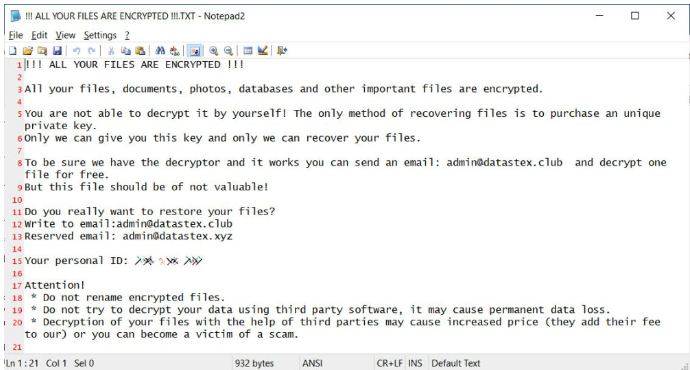
A typical Zeppelin ransomware note.

Jon is another grateful Zeppelin ransomware victim who was aided by Unit 221B’s decryption efforts. Like Peter, Jon asked that his last name and that of his employer be omitted from the story, but he’s in charge of IT for a mid-sized managed service provider that got hit with Zeppelin in July 2020.

The attackers that savaged Jon’s company managed to phish credentials and a multi-factor authentication token for some tools the company used to support customers, and in short order they’d seized control over the servers and backups for a healthcare provider customer.

Jon said his company was reluctant to pay a ransom in part because it wasn’t clear from the hackers’ demands whether the ransom amount they demanded would provide a key to unlock all systems, and that it would do so safely.

“They want you to unlock your data with their software, but you can’t trust that,” Jon said. “You want to use your own software or someone else who’s trusted to do it.”

In August 2022, the FBI and the Cybersecurity & Infrastructure Security Agency (CISA) issued a joint warning on Zeppelin, saying the FBI had “observed instances where Zeppelin actors executed their malware multiple times within a victim’s network, resulting in the creation of different IDs or file extensions, for each instance of an attack; this results in the victim needing several unique decryption keys.”

The advisory says Zeppelin has attacked “a range of businesses and critical infrastructure organizations, including defense contractors, educational institutions, manufacturers, technology companies, and especially organizations in the healthcare and medical industries. Zeppelin actors have been known to request ransom payments in Bitcoin, with initial amounts ranging from several thousand dollars to over a million dollars.”

The FBI and CISA say the Zeppelin actors gain access to victim networks by exploiting weak Remote Desktop Protocol (RDP) credentials, exploiting SonicWall firewall vulnerabilities, and phishing campaigns. Prior to deploying Zeppelin ransomware, actors spend one to two weeks mapping or enumerating the victim network to identify data enclaves, including cloud storage and network backups, the alert notes.

Jon said he felt so lucky after connecting with James and hearing about their decryption work, that he toyed with the idea of buying a lottery ticket that day.

“This just doesn’t usually happen,” Jon said. “It’s 100 percent like winning the lottery.”

By the time Jon’s company got around to decrypting their data, they were forced by regulators to prove that no patient data had been exfiltrated from their systems. All told, it took his employer two months to fully recover from the attack.

“I definitely feel like I was ill-prepared for this attack,” Jon said. “One of the things I’ve learned from this is the importance of forming your core team and having those people who know what their roles and responsibilities are ahead of time. Also, trying to vet new vendors you’ve never met before and build trust relationships with them is very difficult to do when you have customers down hard now and they’re waiting on you to help them get back up.”

A more technical writeup on Unit 221B’s discoveries (cheekily titled “0XDEAD ZEPPELIN”) is available here.
https://phxtechsol.com/wp-content/uploads/2017/02/PTS-Horiz-logo-1-1200-300x53.jpg 0 0 Phoenix Technology https://phxtechsol.com/wp-content/uploads/2017/02/PTS-Horiz-logo-1-1200-300x53.jpg Phoenix Technology2022-11-17 20:07:242022-11-17 20:07:33Researchers Quietly Cracked Zeppelin Ransomware Keys

Disneyland Malware Team: It’s a Puny World After All

November 16, 2022/0 Comments/in Blog/by Phoenix Technology

A financial cybercrime group calling itself the Disneyland Team has been making liberal use of visually confusing phishing domains that spoof popular bank brands using Punycode, an Internet standard that allows web browsers to render domain names with non-Latin alphabets like Cyrillic.

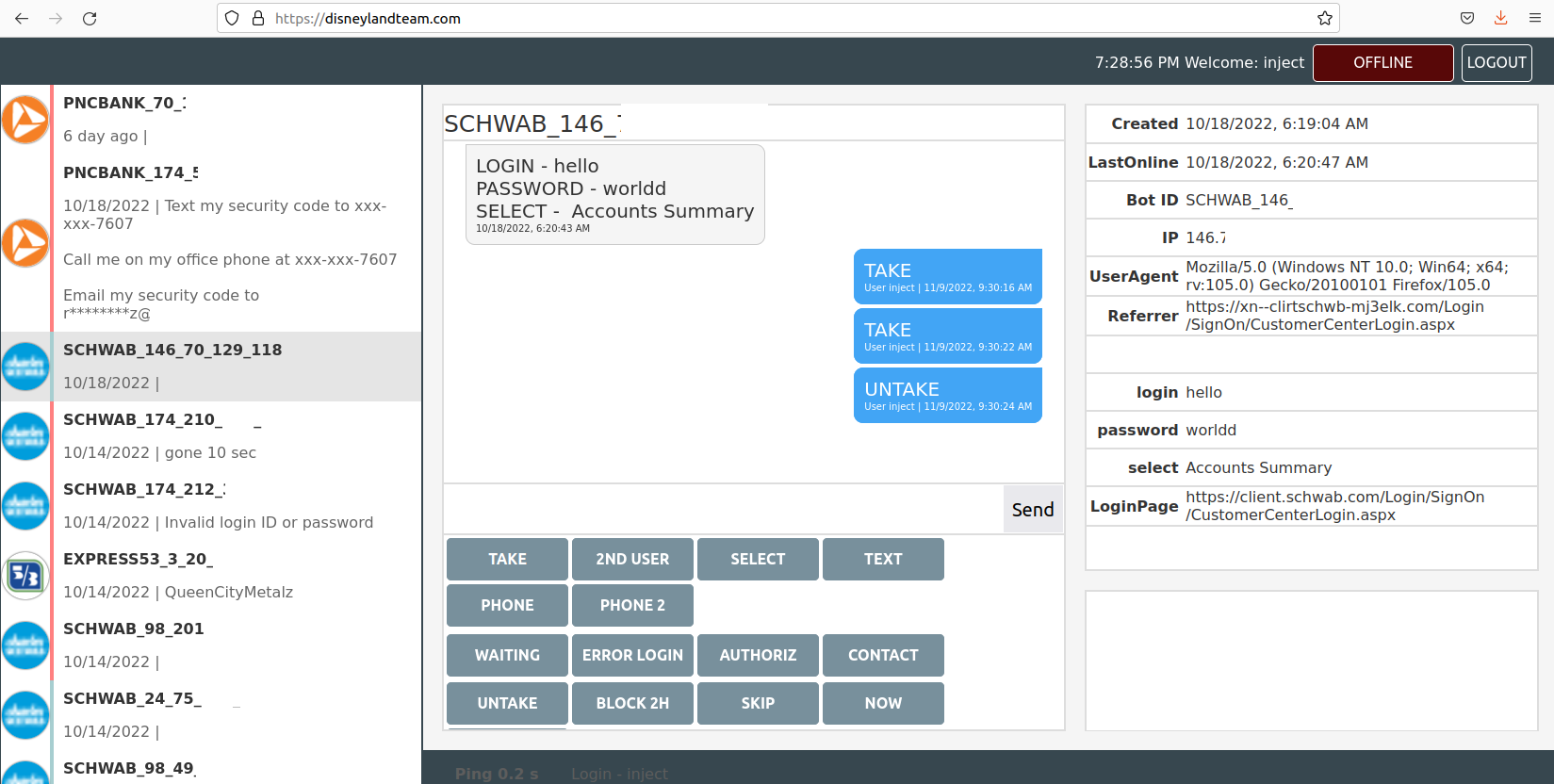
The Disneyland Team’s Web interface, which allows them to interact with malware victims in real time to phish their login credentials using phony bank websites.

The Disneyland Team uses common misspellings for top bank brands in its domains. For example, one domain the gang has used since March 2022 is ushank[.]com — which was created to phish U.S. Bank customers.

But this group also usually makes use of Punycode to make their phony bank domains look more legit. The U.S. financial services firm Ameriprise uses the domain ameriprise.com; the Disneyland Team’s domain for Ameriprise customers is https://www.xn--meripris-mx0doj[.]com [brackets added to defang the domain], which displays in the browser URL bar as ạmeriprisẹ[.]com.

Look carefully, and you’ll notice small dots beneath the “a” and the second “e”. You could be forgiven if you mistook one or both of those dots for a spec of dust on your computer screen or mobile device.

This candid view inside the Disneyland Team comes from Alex Holden, founder of the Milwaukee-based cybersecurity consulting firm Hold Security. Holden’s analysts gained access to a Web-based control panel the crime group has been using to keep track of victim credentials (see screenshot above). The panel reveals the gang has been operating dozens of Punycode-based phishing domains for the better part of 2022.

Have a look at the Punycode in this Disneyland Team phishing domain: https://login2.xn--mirtesnbd-276drj[.]com, which shows up in the browser URL bar as login2.ẹmirạtesnbd[.]com, a domain targeting users of Emirates NBD Bank in Dubai.

Here’s another domain registered this year by the Disneyland Team: https://xn--clientchwb-zxd5678f[.]com, which spoofs the login page of financial advisor Charles Schwab with the landing page of cliẹntșchwab[.]com. Again, notice the dots under the letters “e” and “s”.  Another Punycode domain of theirs sends would-be victims to cliẹrtschwạb[.]com, which combines a brand misspelling with Punycode.

We see the same dynamic with the Disneyland Team Punycode domain https://singlepoint.xn--bamk-pxb5435b[.]com, which translates to singlepoint.ụșbamk[.]com — again phishing U.S. Bank customers.

What’s going on here? Holden says the Disneyland Team is Russian-speaking — if not also based in Russia —  but it is not a phishing gang per se. Rather, this group uses the phony bank domains in conjunction with malicious software that is already secretly installed on a victim’s computer.

Holden said the Disneyland Team domains were made to help the group steal money from victims infected with a powerful strain of Microsoft Windows-based banking malware known as Gozi 2.0/Ursnif. Gozi specializes in collecting credentials, and is mainly used for attacks on client-side online banking to facilitate fraudulent bank transfers. Gozi also allows the attackers to connect to a bank’s website using the victim’s computer.

In years past, crooks like these would use custom-made “web injects” to manipulate what Gozi victims see in their Web browser when they visit their bank’s site. These web injects allowed malware to rewrite the bank’s HTML code on the fly, and copy and/or intercept any data users would enter into a web-based form, such as a username and password.

Most Web browser makers, however, have spent years adding security protections to block such nefarious activity. As a result, the Disneyland Team simply tries to make their domains look as much like the real thing as possible, and then funnel victims toward interacting with those imposter sites.

“The reason that it is infeasible for them to use in-browser injects include browser and OS protection measures, and difficulties manipulating dynamic pages for banks that require multi-factor authentication,” Holden said.

In reality, the fake bank website overlaid by the Disneyland Team’s malware relays the victim’s browser activity through to the real bank website, while allowing the attackers to forward any secondary login requests from the bank, such as secret questions or multi-factor authentication challenges.

The Disneyland Team included instructions for its users, noting that when the victim enters their login credentials, he sees a 10-second spinning wheel, and then the message, “Awaiting back office approval for your request. Please don’t close this window.”

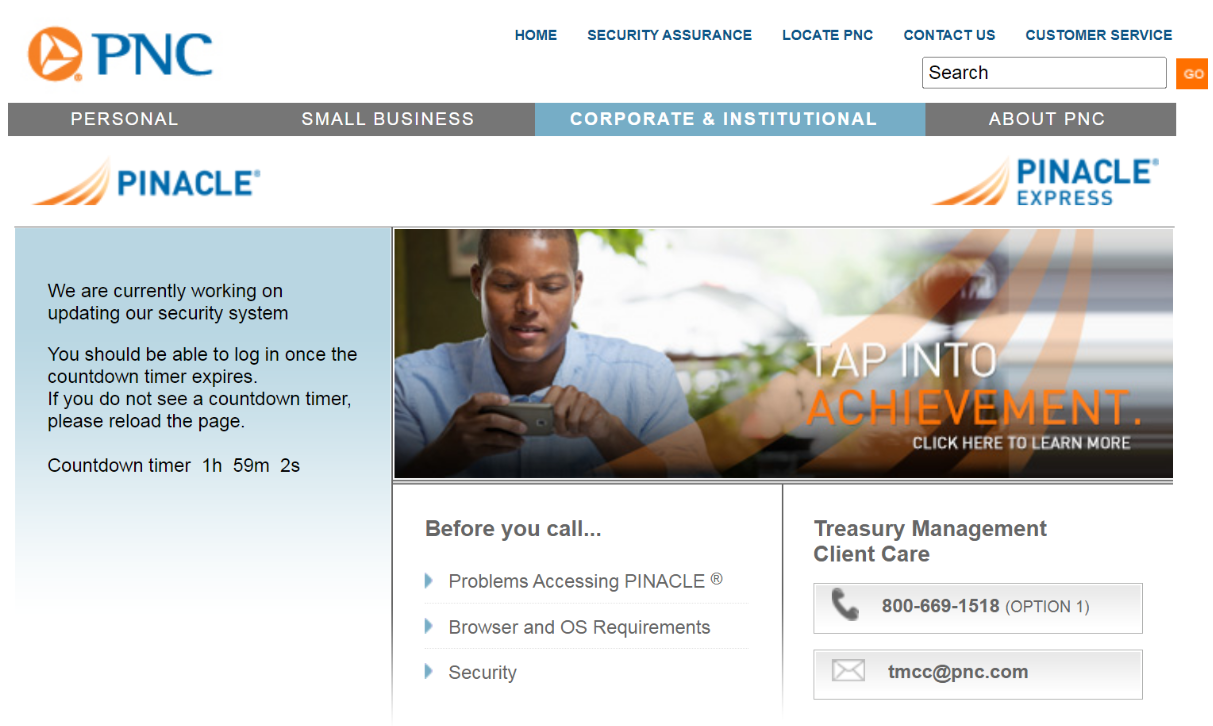
A fake PNC website overlay or “web inject” displaying a message intended to temporarily prevent the user from accessing their account.

The “SKIP” button in the screenshot above sends the user to the real bank login page, “in case the account is not interesting to us,” the manual explains. “Also, this redirect works if none of our operators are working at the time.”

The “TAKE” button in the Disneyland Team control panel allows users or affiliates to claim ownership over a specific infected machine or bot, which then excludes other users from interacting with that victim.

In the event that it somehow takes a long time to get the victim (bot) connected to the Disneyland Team control panel, or if it is necessary to delay a transaction, users can push a button that prompts the following message to appear on the victim’s screen:

“Your case ID number is 875472. An online banking support representative will get in touch shortly. Please provide your case ID number, and DO NOT close this page.”

The Disneyland user manual explains that the panel can be used to force the victim to log in again if they transmit invalid credentials. It also has other options for stalling victims whilst their accounts are drained. Another fake prompt the panel can produce shows the victim a message saying, “We are currently working on updating our security system. You should be able to log in once the countdown timer expires.”

The user manual says this option blocks the user from accessing their account for two hours. “It is possible to block for an hour with this button, in this case they get less frustrated, within the hours ddos will kill their network.”

Cybercrime groups will sometimes launch distributed denial-of-service (DDoS) attacks on the servers of the companies they’re trying to rob — which is usually intended to distract victims from their fleecing, although Holden said it’s unclear if the Disneyland Team employs this tactic as well.

For many years, KrebsOnSecurity tracked the day-to-day activities of a similar malware crew that used web injects and bots to steal tens of millions of dollars from small- to mid-sized businesses across the United States.

At the end of each story, I would close with a recommendation that anyone concerned about malware snarfing their banking information should strongly consider doing their online banking from a dedicated, security-hardened system which is only used for that purpose. Of course, the dedicated system approach works only if you always use that dedicated system for managing your account online.

Those stories also observed that since the vast majority of the malicious software used in cyberheists is designed to run only on Microsoft Windows computers, it made sense to pick a non-Windows computer for that dedicated banking system, such as a Mac or even a version of Linux. I still stand by this advice.

In case anyone is interested, here (PDF) is a list of all phishing domains currently and previously used by the Disneyland Team.

https://phxtechsol.com/wp-content/uploads/2017/02/PTS-Horiz-logo-1-1200-300x53.jpg 0 0 Phoenix Technology https://phxtechsol.com/wp-content/uploads/2017/02/PTS-Horiz-logo-1-1200-300x53.jpg Phoenix Technology2022-11-16 19:57:482022-11-16 19:58:00Disneyland Malware Team: It’s a Puny World After All

Top Zeus Botnet Suspect “Tank” Arrested in Geneva

November 15, 2022/0 Comments/in Blog/by Phoenix Technology

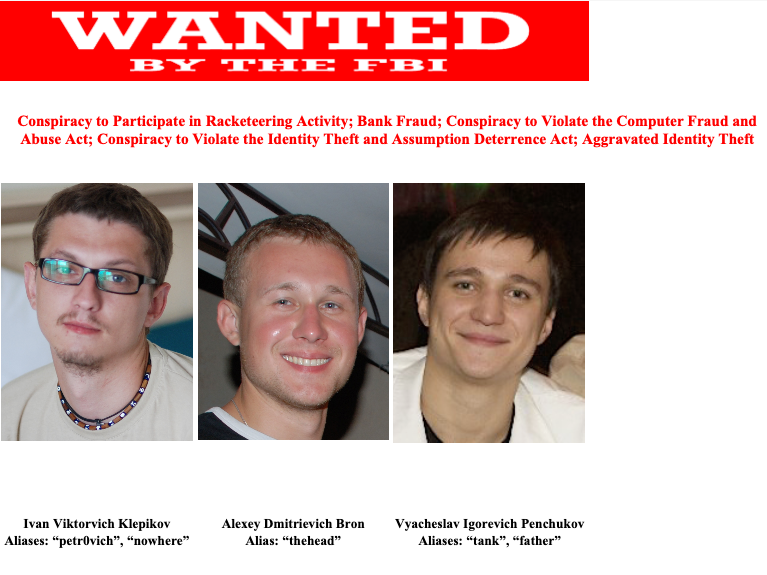
Vyacheslav “Tank” Penchukov, the accused 40-year-old Ukrainian leader of a prolific cybercriminal group that stole tens of millions of dollars from small to mid-sized businesses in the United States and Europe, has been arrested in Switzerland, according to multiple sources.

Wanted Ukrainian cybercrime suspect Vyacheslav “Tank” Penchukov (right) was arrested in Geneva, Switzerland. Tank was the day-to-day manager of a cybercriminal group that stole tens of millions of dollars from small to mid-sized businesses.

Penchukov was named in a 2014 indictment by the U.S. Department of Justice as a top figure in the JabberZeus Crew, a small but potent cybercriminal collective from Ukraine and Russia that attacked victim companies with a powerful, custom-made version of the Zeus banking trojan.

The U.S. Federal Bureau of Investigation (FBI) declined to comment for this story. But according to multiple sources, Penchukov was arrested in Geneva, Switzerland roughly three weeks ago as he was traveling to meet up with his wife there.

Penchukov is from Donetsk, a traditionally Russia-leaning region in Eastern Ukraine that was recently annexed by Russia. In his hometown, Penchukov was a well-known deejay (“DJ Slava Rich“) who enjoyed being seen riding around in his high-end BMWs and Porsches. More recently, Penchukov has been investing quite a bit in local businesses.

The JabberZeus crew’s name is derived from the malware they used, which was configured to send them a Jabber instant message each time a new victim entered a one-time password code into a phishing page mimicking their bank. The JabberZeus gang targeted mostly small to mid-sized businesses, and they were an early pioneer of so-called “man-in-the-browser” attacks, malware that can silently siphon any data that victims submit via a web-based form.

Once inside a victim company’s bank accounts, the crooks would modify the firm’s payroll to add dozens of “money mules,” people recruited through work-at-home schemes to handle bank transfers. The mules in turn would forward any stolen payroll deposits — minus their commissions — via wire transfer overseas.

Tank, a.k.a. “DJ Slava Rich,” seen here performing as a DJ in Ukraine in an undated photo from social media.

The JabberZeus malware was custom-made for the crime group by the alleged author of the Zeus trojan — Evgeniy Mikhailovich Bogachev, a top Russian cybercriminal with a $3 million bounty on his head from the FBI. Bogachev is accused of running the Gameover Zeus botnet, a massive crime machine of 500,000 to 1 million infected PCs that was used for large DDoS attacks and for spreading Cryptolocker — a peer-to-peer ransomware threat that was years ahead of its time.

Investigators knew Bogachev and JabberZeus were linked because for many years they were reading the private Jabber chats between and among members of the JabberZeus crew, and Bogachev’s monitored aliases were in semi-regular contact with the group about updates to the malware.

Gary Warner, director of research in computer forensics at the University of Alabama at Birmingham, noted in his blog from 2014 that Tank told co-conspirators in a JabberZeus chat on July 22, 2009 that his daughter, Miloslava, had been born and gave her birth weight.

“A search of Ukrainian birth records only showed one girl named Miloslava with that birth weight born on that day,” Warner wrote. This was enough to positively identify Tank as Penchukov, Warner said.

Ultimately, Penchukov’s political connections helped him evade prosecution by Ukrainian cybercrime investigators for many years. The late son of former Ukrainian President Victor Yanukovych (Victor Yanukovych Jr.) would serve as godfather to Tank’s daughter Miloslava. Through his connections to the Yanukovych family, Tank was able to establish contact with key insiders in top tiers of the Ukrainian government, including law enforcement.

Sources briefed on the investigation into Penchukov said that in 2010 — at a time when the Security Service of Ukraine (SBU) was preparing to serve search warrants on Tank and his crew — Tank received a tip that the SBU was coming to raid his home. That warning gave Tank ample time to destroy important evidence against the group, and to avoid being home when the raids happened. Those sources also said Tank used his contacts to have the investigation into his crew moved to a different unit that was headed by his corrupt SBU contact.

Writing for Technology Review, Patrick Howell O’Neil recounted how SBU agents in 2010 were trailing Tank around the city, watching closely as he moved between nightclubs and his apartment.

“In early October, the Ukrainian surveillance team said they’d lost him,” he wrote. “The Americans were unhappy, and a little surprised. But they were also resigned to what they saw as the realities of working in Ukraine. The country had a notorious corruption problem. The running joke was that it was easy to find the SBU’s anticorruption unit—just look for the parking lot full of BMWs.”

AUTHOR’S NOTE/BACKGROUND

I first encountered Tank and the JabberZeus crew roughly 14 years ago as a reporter for The Washington Post, after a trusted source confided that he’d secretly gained access to the group’s private Jabber conversations.

From reading those discussions each day, it became clear Tank was nominally in charge of the Ukrainian crew, and that he spent much of his time overseeing the activities of the money mule recruiters — which were an integral part of their victim cashout scheme.

It was soon discovered that the phony corporate websites the money mule recruiters used to manage new hires had a security weakness that allowed anyone who signed up at the portal to view messages for every other user. A scraping tool was built to harvest these money mule recruitment messages, and at the height of the JabberZeus gang’s activity in 2010 that scraper was monitoring messages on close to a dozen different money mule recruitment sites, each managing hundreds of “employees.”

Each mule was given busy work or menial tasks for a few days or weeks prior to being asked to handle money transfers. I believe this was an effort to weed out unreliable money mules. After all, those who showed up late for work tended to cost the crooks a lot of money, as the victim’s bank would usually try to reverse any transfers that hadn’t already been withdrawn by the mules.

When it came time to transfer stolen funds, the recruiters would send a message through the fake company website saying something like: “Good morning [mule name here]. Our client — XYZ Corp. — is sending you some money today. Please visit your bank now and withdraw this payment in cash, and then wire the funds in equal payments — minus your commission — to these three individuals in Eastern Europe.”

Only, in every case the company mentioned as the “client” was in fact a small business whose payroll accounts they’d already hacked into.

So, each day for several years my morning routine went as follows: Make a pot of coffee; shuffle over to the computer and view the messages Tank and his co-conspirators had sent to their money mules over the previous 12-24 hours; look up the victim company names in Google; pick up the phone to warn each that they were in the process of being robbed by the Russian Cyber Mob.

My spiel on all of these calls was more or less the same: “You probably have no idea who I am, but here’s all my contact info and what I do. Your payroll accounts have been hacked, and you’re about to lose a great deal of money. You should contact your bank immediately and have them put a hold on any pending transfers before it’s too late. Feel free to call me back afterwards if you want more information about how I know all this, but for now please just call or visit your bank.”

In many instances, my call would come in just minutes or hours before an unauthorized payroll batch was processed by the victim company’s bank, and some of those notifications prevented what otherwise would have been enormous losses — often several times the amount of the organization’s normal weekly payroll. At some point I stopped counting how many tens of thousands of dollars those calls saved victims, but over several years it was probably in the millions.

Just as often, the victim company would suspect that I was somehow involved in the robbery, and soon after alerting them I would receive a call from an FBI agent or from a police officer in the victim’s hometown. Those were always interesting conversations.

Collectively, these notifications to victims led to dozens of stories over several years about small businesses battling their financial institutions to recover their losses. I never wrote about a single victim that wasn’t okay with my calling attention to their plight and to the sophistication of the threat facing other companies.

This incessant meddling on my part very much aggravated Tank, who on more than one occasion expressed mystification as to how I knew so much about their operations and victims. Here’s a snippet from one of their Jabber chats in 2009, after I’d written a story for The Washington Post about their efforts to steal $415,000 from the coffers of Bullitt County, Kentucky. In the chat below, “lucky12345” is the Zeus author Bogachev:

tank: Are you there?
tank: This is what they damn wrote about me.
tank: http://voices.washingtonpost.com/securityfix/2009/07/an_odyssey_of_fraud_part_ii.html#more
tank: I’ll take a quick look at history
tank: Originator: BULLITT COUNTY FISCAL Company: Bullitt County Fiscal Court
tank: Well, you got [it] from that cash-in.
lucky12345: From 200K?
tank: Well, they are not the right amounts and the cash out from that account was shitty.
tank: Levak was written there.
tank: Because now the entire USA knows about Zeus.
tank: ????
lucky12345: It’s fucked.

On Dec. 13, 2009, one of Tank’s top money mule recruiters — a crook who used the pseudonym “Jim Rogers” — told his boss something I hadn’t shared beyond a few trusted confidants at that point: That The Washington Post had eliminated my job in the process of merging the newspaper’s Web site (where I worked at the time) with the dead tree edition.

jim_rogers: There is a rumor that our favorite (Brian) didn’t get his contract extension at Washington Post. We are giddily awaiting confirmation ???? Good news expected exactly by the New Year! Besides us no one reads his column ????
tank: Mr. Fucking Brian Fucking Kerbs!

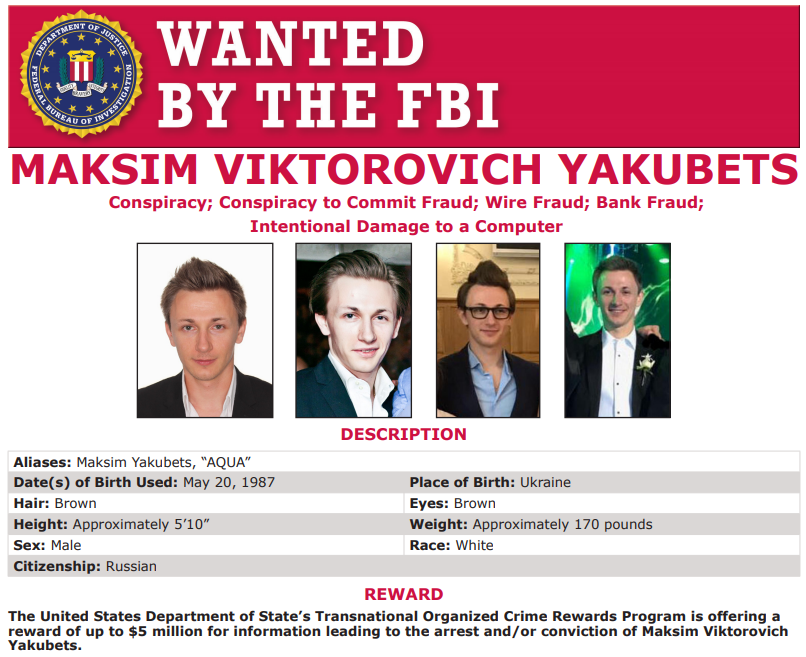
Another member of the JabberZeus crew — Ukrainian-born Maksim “Aqua” Yakubets — also is currently wanted by the FBI, which is offering a $5 million reward for information leading to his arrest and conviction.

Alleged “Evil Corp” bigwig Maksim “Aqua” Yakubets. Image: FBI

https://phxtechsol.com/wp-content/uploads/2017/02/PTS-Horiz-logo-1-1200-300x53.jpg 0 0 Phoenix Technology https://phxtechsol.com/wp-content/uploads/2017/02/PTS-Horiz-logo-1-1200-300x53.jpg Phoenix Technology2022-11-15 19:48:202022-11-15 19:48:41Top Zeus Botnet Suspect “Tank” Arrested in Geneva

Lawsuit Seeks Food Benefits Stolen By Skimmers

November 10, 2022/0 Comments/in Blog/by Phoenix Technology

A nonprofit organization is suing the state of Massachusetts on behalf of thousands of low-income families who were collectively robbed of more than a $1 million in food assistance benefits by card skimming devices secretly installed at cash machines and grocery store checkout lanes across the state. Federal law bars states from replacing these benefits using federal funds, and a recent rash of skimming incidents nationwide has disproportionately affected those receiving food assistance via state-issued prepaid debit cards.

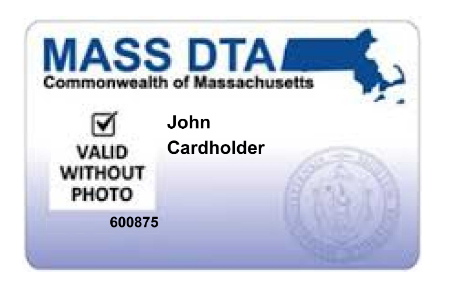
The Massachusetts SNAP benefits card looks more like a library card than a payment card.

On Nov. 4, The Massachusetts Law Reform Institute (MLRI) filed a class action lawsuit on behalf of low-income families whose Supplemental Nutrition and Assistance Program (SNAP) benefits were stolen from their accounts. The SNAP program serves over a million people in Massachusetts, and 41 million people nationally.

“Over the past few months, thieves have stolen over a million SNAP dollars from thousands of Massachusetts families – putting their nutrition and economic stability at risk,” the MLRI said in a statement on the lawsuit. “The criminals attach a skimming device on a POS (point of sale) terminal to capture the household’s account information and PIN. The criminals then use that information to make a fake card and steal the SNAP benefits.”

In announcing the lawsuit, the MRLI linked to a story KrebsOnSecurity published last month that examined how skimming thieves increasingly are targeting SNAP payment card holders nationwide. The story looked at how the vast majority of SNAP benefit cards issued by the states do not include the latest chip technology that makes it more difficult and expensive for thieves to clone them.

The story also highlighted how SNAP cardholders usually have little recourse to recover any stolen funds — even in unlikely cases where the victim has gathered mountains of proof to show state and federal officials that the fraudulent withdrawals were not theirs.

Deborah Harris is a staff attorney at the MLRI. Harris said the goal of the lawsuit is to force Massachusetts to reimburse SNAP skimming victims using state funds, and to convince The U.S. Department of Agriculture (USDA) — which funds the program that states draw from — to change its policies and allow states to replace stolen benefits with federal funds.

“Ultimately we think it’s the USDA that needs to step up and tell states they have a duty to restore the stolen benefits, and that USDA will cover the cost at least until there is better security in place, such as chip cards,” Harris told KrebsOnSecurity.

“The losses we’re talking about are relatively small in the scheme of total SNAP expenditures which are billions,” she said. “But if you are a family that can’t pay for food because you suddenly don’t have money in your account, it’s devastating for the family.”

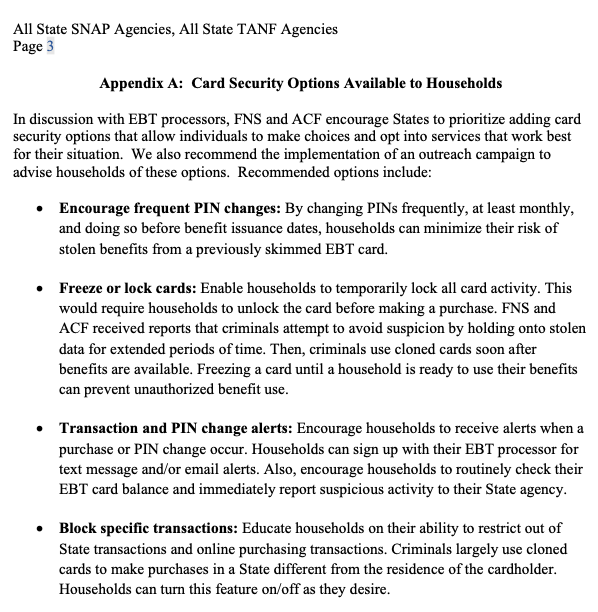
The USDA has not said it will help states restore the stolen funds. But on Oct. 31, 2022, the agency released guidance (PDF) whose primary instructions were included in an appendix titled, Card Security Options Available to Households. Notably, the USDA did not mention the idea of shifting to chip-based SNAP benefits cards.

The recently issued USDA guidance.

“The guidance generally continues to make households responsible for preventing the theft of their benefits as well as for suffering the loss when benefits are stolen through no fault of the household,” Harris said. “Many of the recommendations are not practical for households who don’t have a smartphone to receive text messages and aren’t able to change their PIN after each transaction and keep track of the new PIN.”

Harris said three of the four recommendations are not currently available in Massachusetts, and they are very likely not currently available in other states. For example, she said, Massachusetts households do not have the option of freezing or locking their cards between transactions. Nor do they receive alerts about transactions. And they most certainly don’t have any way to block out-of-state transactions.

“Perhaps these are options that [card] processors and states could provide, but they are not available now as far as we know,” Harris said. “Most likely they would take time to implement.”

The Center for Law and Social Policy (CLASP) recently published Five Ways State Agencies Can Support EBT Users at Risk of Skimming. CLASP says while it is true states can’t use federal funds to replace benefits unless the loss was due to a “system error,” states could use their own funds.

“Doing so will ensure families don’t have to go without food, gas money, or their rent for the month,” CLASP wrote.

That would help address the symptoms of card skimming, but not a root cause. Hardly anyone is suggesting the obvious, which is to equip SNAP benefit cards with the same security technology afforded to practically everyone else participating in the U.S. banking system.

There are several reasons most state-issued SNAP benefit cards do not include chips. For starters, nobody says they have to. Also, it’s a fair bit more expensive to produce chip cards versus plain old magnetic stripe cards, and many state assistance programs are chronically under-funded. Finally, there is no vocal (or at least well-heeled) constituency advocating for change.

A copy of the class action complaint filed by the MLRI is available here.

https://phxtechsol.com/wp-content/uploads/2017/02/PTS-Horiz-logo-1-1200-300x53.jpg 0 0 Phoenix Technology https://phxtechsol.com/wp-content/uploads/2017/02/PTS-Horiz-logo-1-1200-300x53.jpg Phoenix Technology2022-11-10 18:58:342022-11-10 18:58:39Lawsuit Seeks Food Benefits Stolen By Skimmers

Patch Tuesday, November 2022 Election Edition

November 9, 2022/0 Comments/in Blog/by Phoenix Technology

Let’s face it: Having “2022 election” in the headline above is probably the only reason anyone might read this story today. Still, while most of us here in the United States are anxiously awaiting the results of how well we’ve patched our Democracy, it seems fitting that Microsoft Corp. today released gobs of security patches for its ubiquitous Windows operating systems. November’s patch batch includes fixes for a whopping six zero-day security vulnerabilities that miscreants and malware are already exploiting in the wild.

Probably the scariest of the zero-day flaws is CVE-2022-41128, a “critical” weakness in the Windows scripting languages that could be used to foist malicious software on vulnerable users who do nothing more than browse to a hacked or malicious site that exploits the weakness. Microsoft credits Google with reporting the vulnerability, which earned a CVSS score of 8.8.

CVE-2022-41073 is a zero-day flaw in the Windows Print Spooler, a Windows component that Microsoft has patched mightily over the past year. Kevin Breen, director of cyber threat research at Immersive Labs, noted that the print spooler has been a popular target for vulnerabilities in the last 12 months, with this marking the 9th patch.

The third zero-day Microsoft patched this month is CVE-2022-41125, which is an “elevation of privilege” vulnerability in the Windows Cryptography API: Next Generation (CNG) Key Isolation Service, a service for isolating private keys. Satnam Narang, senior staff research engineer at Tenable, said exploitation of this vulnerability could grant an attacker SYSTEM privileges.

The fourth zero-day, CVE-2022-41091, was previously disclosed and widely reported on in October. It is a Security Feature Bypass of “Windows Mark of the Web” – a mechanism meant to flag files that have come from an untrusted source.

The other two zero-day bugs Microsoft patched this month were for vulnerabilities being exploited in Exchange Server. News that these two Exchange flaws were being exploited in the wild surfaced in late September 2022, and many were surprised when Microsoft let October’s Patch Tuesday sail by without issuing official patches for them (the company instead issued mitigation instructions that it was forced to revise multiple times). Today’s patch batch addresses both issues.

Greg Wiseman, product manager at Rapid7, said the Exchange flaw CVE-2022-41040 is a “critical” elevation of privilege vulnerability, and CVE-2022-41082 is considered Important, allowing Remote Code Execution (RCE) when PowerShell is accessible to the attacker.

“Both vulnerabilities have been exploited in the wild,” Wiseman said. “Four other CVEs affecting Exchange Server have also been addressed this month. Three are rated as Important, and CVE-2022-41080 is another privilege escalation vulnerability considered Critical. Customers are advised to update their Exchange Server systems immediately, regardless of whether any previously recommended mitigation steps have been applied. The mitigation rules are no longer recommended once systems have been patched.”

Adobe usually issues security updates for its products on Patch Tuesday, but it did not this month. For a closer look at the patches released by Microsoft today and indexed by severity and other metrics, check out the always-useful Patch Tuesday roundup from the SANS Internet Storm Center. And it’s not a bad idea to hold off updating for a few days until Microsoft works out any kinks in the updates: AskWoody.com usually has the lowdown on any patches that may be causing problems for Windows users.

As always, please consider backing up your system or at least your important documents and data before applying system updates. And if you run into any problems with these updates, please drop a note about it here in the comments.

https://phxtechsol.com/wp-content/uploads/2017/02/PTS-Horiz-logo-1-1200-300x53.jpg 0 0 Phoenix Technology https://phxtechsol.com/wp-content/uploads/2017/02/PTS-Horiz-logo-1-1200-300x53.jpg Phoenix Technology2022-11-09 18:49:202022-11-09 18:49:23Patch Tuesday, November 2022 Election Edition

LinkedIn Adds Verified Emails, Profile Creation Dates

November 4, 2022/0 Comments/in Blog/by Phoenix Technology

Responding to a recent surge in AI-generated bot accounts, LinkedIn is rolling out new features that it hopes will help users make more informed decisions about with whom they choose to connect. Many LinkedIn profiles now display a creation date, and the company is expanding its domain validation offering, which allows users to publicly confirm that they can reply to emails at the domain of their stated current employer.

LinkedIn’s new “About This Profile” section — which is visible by clicking the “More” button at the top of a profile — includes the year the account was created, the last time the profile information was updated, and an indication of how and whether an account has been verified.

LinkedIn also said it is adding a warning to some LinkedIn messages that include high-risk content, or that try to entice the user into taking the conversation to another platform (like WeChat).

“We may warn you about messages that ask you to take the conversation to another platform because that can be a sign of a scam,” the company said in a blog post. “These warnings will also give you the choice to report the content without letting the sender know.”

In late September 2022, KrebsOnSecurity warned about the proliferation of fake LinkedIn profiles for Chief Information Security Officer (CISO) roles at some of the world’s largest corporations. A follow-up story on Oct. 5 showed how the phony profile problem has affected virtually all executive roles at corporations, and how these fake profiles are creating an identity crisis for the businesses networking site and the companies that rely on it to hire and screen prospective employees.

Reporting here last month also tracked a massive drop in profiles claiming to work at several major technology companies, as LinkedIn apparently took action against hundreds of thousands of inauthentic accounts that falsely claimed roles at these companies.

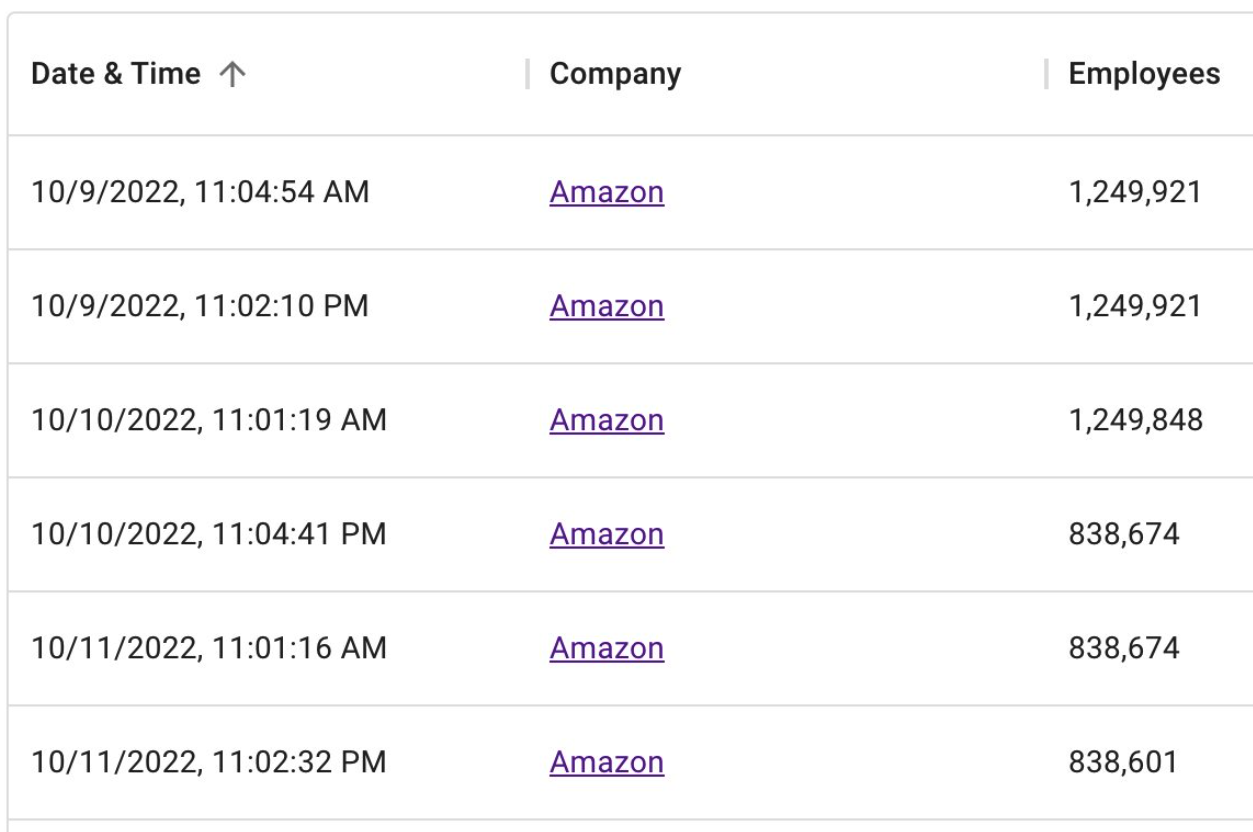
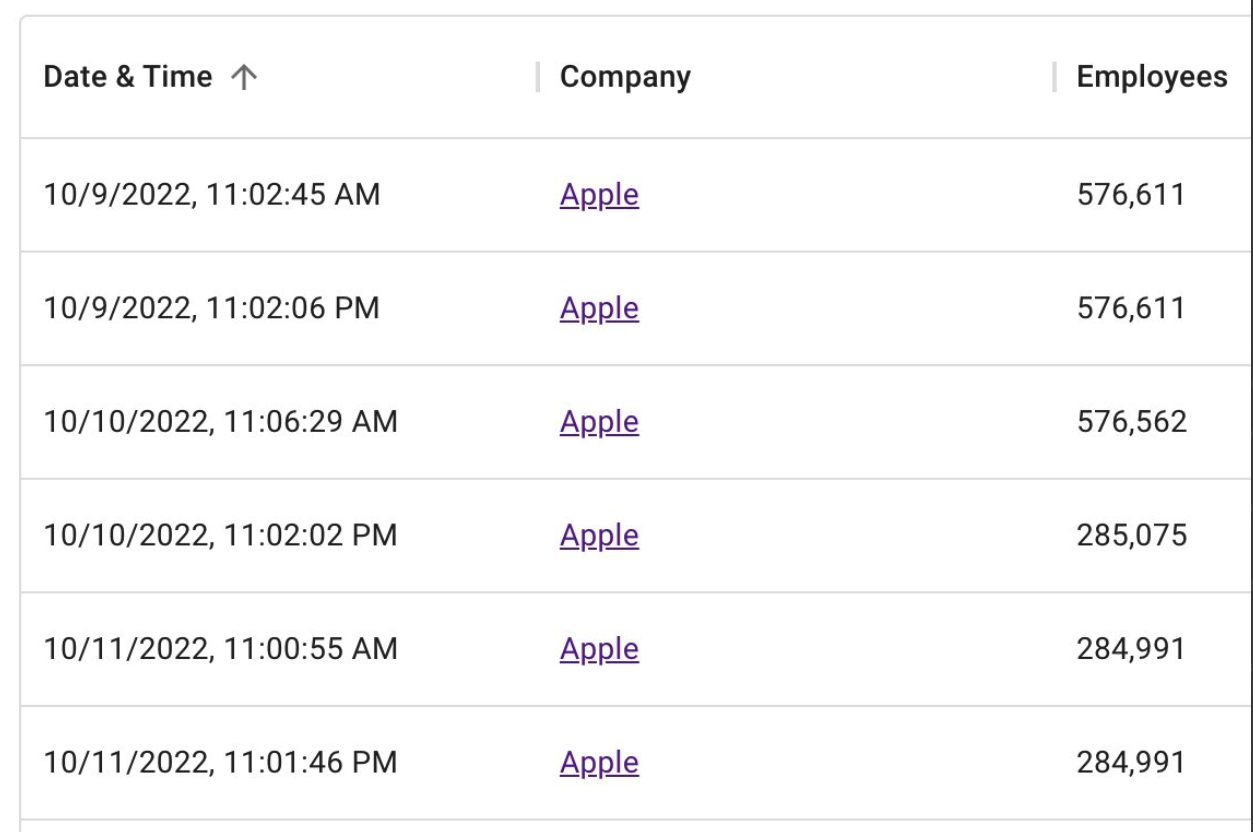
For example, on October 10, 2022, there were 576,562 LinkedIn accounts that listed their current employer as Apple Inc. The next day, half of those profiles no longer existed. At around the same time, the number of LinkedIn profiles claiming current roles at Amazon fell from roughly 1.25 million to 838,601 in just one day, a 33 percent drop.

For whatever reason, the majority of the phony LinkedIn profiles reviewed by this author were young women with profile photos that appear to have been generated by artificial intelligence (AI) tools.

“We’re seeing rapid advances in AI-based synthetic image generation technology and we’ve created a deep learning model to better catch profiles made with this technology,” LinkedIn’s Oscar Rodriguez wrote. “AI-based image generators can create an unlimited number of unique, high-quality profile photos that do not correspond to real people.”

It remains unclear who or what is behind the recent proliferation of fake executive profiles on LinkedIn, but likely they are from a combination of scams. Cybersecurity firm Mandiant (recently acquired by Google) told Bloomberg that hackers working for the North Korean government have been copying resumes and profiles from leading job listing platforms LinkedIn and Indeed, as part of an elaborate scheme to land jobs at cryptocurrency firms.

Identity thieves have been known to masquerade on LinkedIn as job recruiters, collecting personal and financial information from people who fall for employment scams.

Also, fake profiles also may be tied to so-called “pig butchering” scams, wherein people are lured by flirtatious strangers online into investing in cryptocurrency trading platforms that eventually seize any funds when victims try to cash out.

https://phxtechsol.com/wp-content/uploads/2017/02/PTS-Horiz-logo-1-1200-300x53.jpg 0 0 Phoenix Technology https://phxtechsol.com/wp-content/uploads/2017/02/PTS-Horiz-logo-1-1200-300x53.jpg Phoenix Technology2022-11-04 17:58:432022-11-04 17:58:47LinkedIn Adds Verified Emails, Profile Creation Dates

Hacker Charged With Extorting Online Psychotherapy Service

November 3, 2022/0 Comments/in Blog/by Phoenix Technology

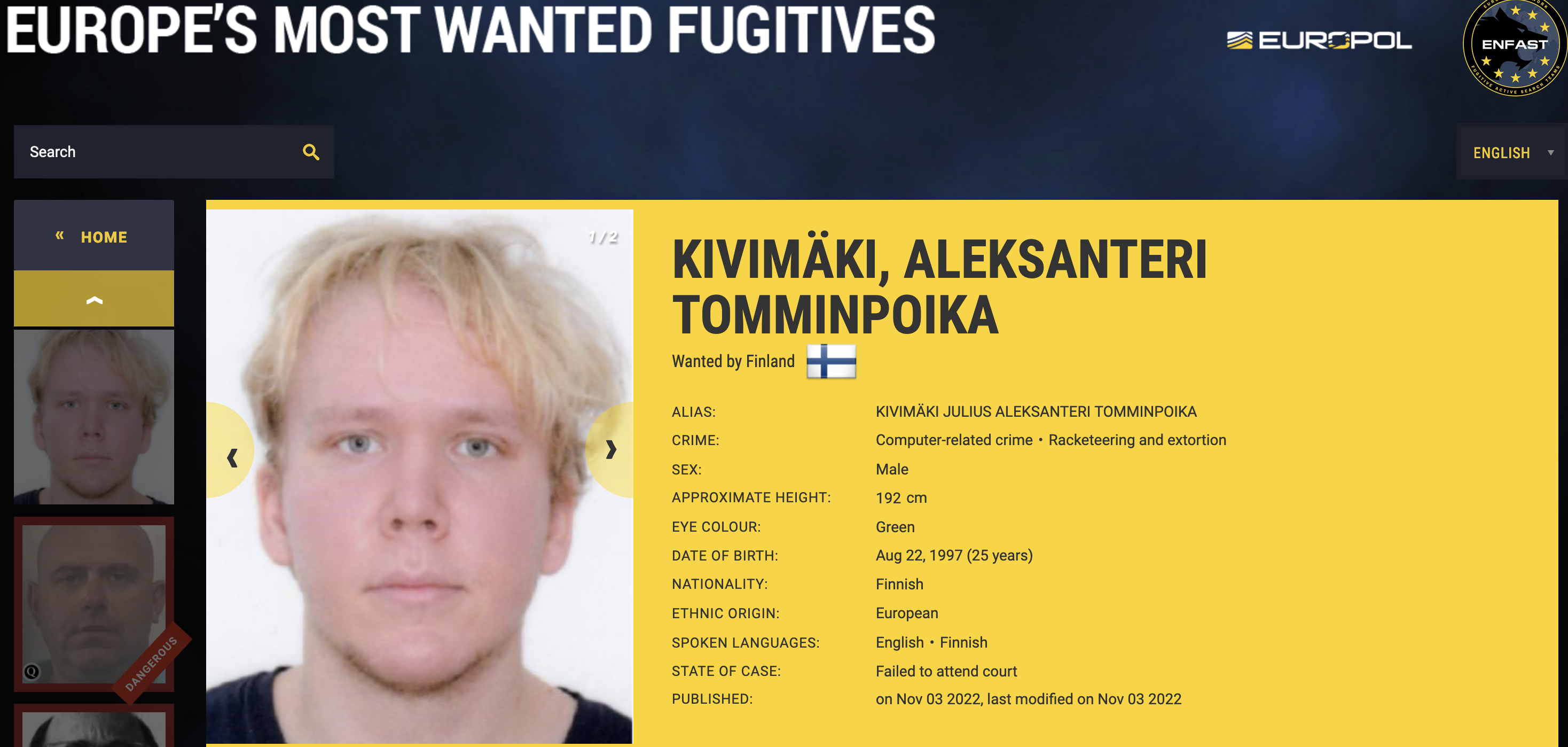
A 25-year-old Finnish man has been charged with extorting a once popular and now-bankrupt online psychotherapy company and its patients. Finnish authorities rarely name suspects in an investigation, but they were willing to make an exception for Julius “Zeekill” Kivimaki, a notorious hacker who — at the tender age of 17 — had been convicted of more than 50,000 cybercrimes, including data breaches, payment fraud, operating botnets, and calling in bomb threats.

In late October 2022, Kivimaki was charged (and arrested in absentia, according to the Finns) with attempting to extort money from the Vastaamo Psychotherapy Center.  On October 21, 2020, Vastaamo became the target of blackmail when a tormentor identified as “ransom_man” demanded payment of 40 bitcoins (~450,000 euros at the time) in return for a promise not to publish highly sensitive therapy session notes Vastaamo had exposed online.

In a series of posts over the ensuing days on a Finnish-language dark net discussion board, ransom_man said Vastaamo appeared unwilling to negotiate a payment, and that he would start publishing 100 patient profiles every 24 hours “to provide further incentive for the company to continue communicating with us.”

“We’re not asking for much, approximately 450,000 euros which is less than 10 euros per patient and only a small fraction of the around 20 million yearly revenues of this company,” ransom_man wrote.

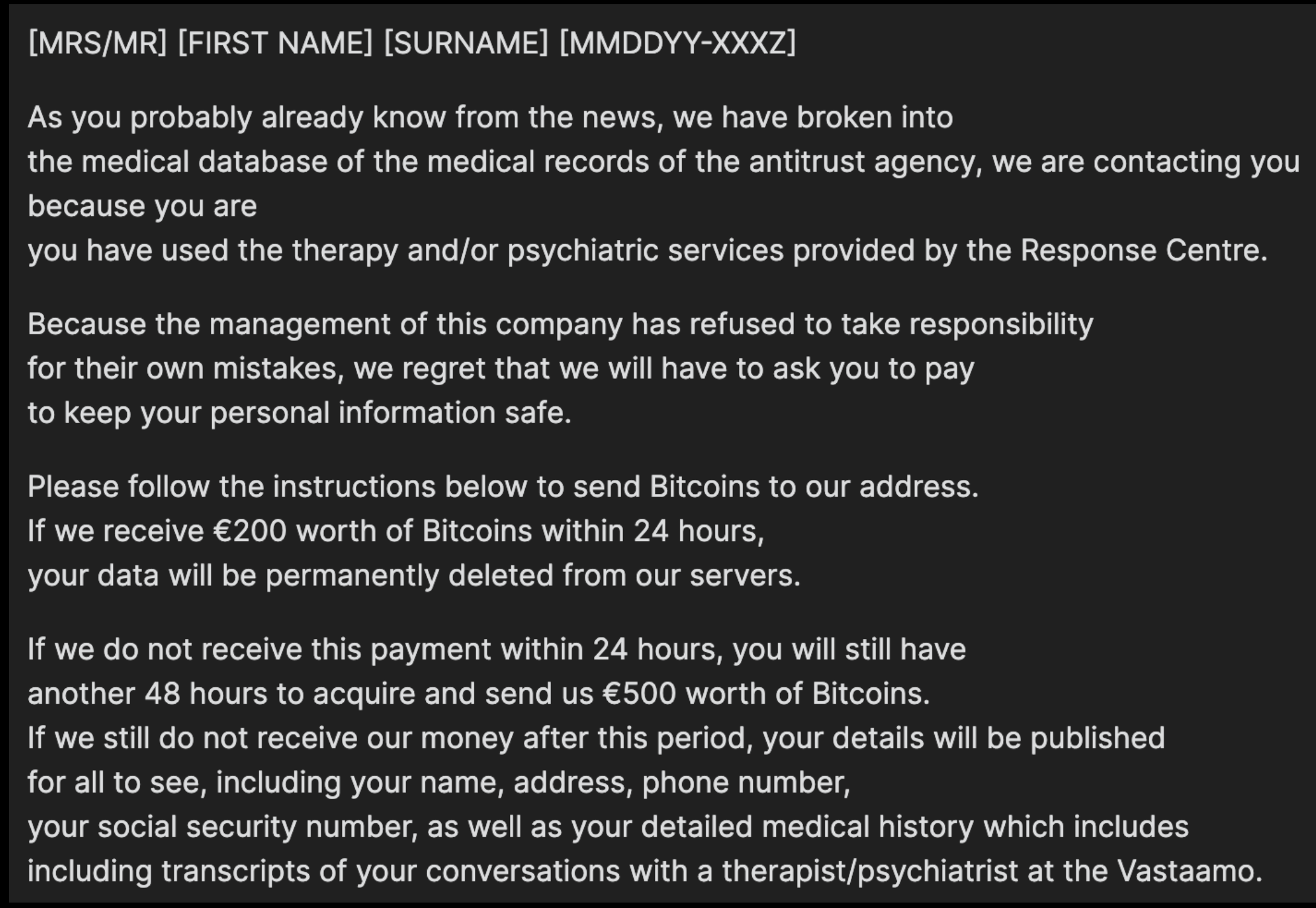
When Vastaamo declined to pay, ransom_man shifted to extorting individual patients. According to Finnish police, some 22,000 victims reported extortion attempts targeting them personally, targeted emails that threatened to publish their therapy notes online unless paid a 500 euro ransom.

The extortion message targeted Vastaamo patients.

On Oct. 23, 2020, ransom_man uploaded to the dark web a large compressed file that included all of the stolen Vastaamo patient records. But investigators found the file also contained an entire copy of ransom_man’s home folder, a likely mistake that exposed a number of clues that they say point to Kivimaki.

Ransom_man quickly deleted the large file (accompanied by a “whoops” notation), but not before it had been downloaded a number of times. The entire archive has since been made into a searchable website on the Dark Web.

Among those who grabbed a copy of the database was Antti Kurittu, a team lead at Nixu Corporation and a former criminal investigator. In 2013, Kurittu worked on investigation involving Kivimaki’s use of the Zbot botnet, among other activities Kivimaki engaged in as a member of the hacker group Hack the Planet.

“It was a huge opsec [operational security] fail, because they had a lot of stuff in there — including the user’s private SSH folder, and a lot of known hosts that we could take a very good look at,” Kurittu told KrebsOnSecurity, declining to discuss specifics of the evidence investigators seized. “There were also other projects and databases.”

Kurittu said he and others he and others who were familiar with illegal activities that were attributed to Kivimäki couldn’t shake suspicion

he and others who were familiar with illegal activites that were attributed to Kivimäki couldn’t shake suspicion that the infamous cybercriminal was also behind the Vastaamo extortion.

“I couldn’t find anything that would link that data directly to one individual, but there were enough indicators in there that put the name in my head and I couldn’t shake it,” Kurittu said. “When they named him as the prime suspect I was not surprised.”

A handful of individually extorted victims paid a ransom, but when news broke that the entire Vastaamo database had been leaked online, the extortion threats no longer held their sting. However, someone would soon set up a site on the dark web where anyone could search this sensitive data.

Kivimaki stopped using his middle name Julius in favor of his given first name Aleksanteri when he moved abroad several years ago. A Twitter account by that name was verified by Kivimaki’s attorney as his, and through that account he denied being involved in the Vastaamo extortion.

“I believe [the Finnish authorities] brought this to the public in order to influence the decision-making of my old case from my teenage years, which was just processed in the Court of Appeal, both cases are investigated by the same persons,” Kivimaki tweeted on Oct. 28.

Kivimaki is appealing a 2020 district court decision sentencing him to “one year of conditional imprisonment for two counts of fraud committed as a young person, and one of gross fraud, interference with telecommunications as a young person, aggravated data breach as a young person and incitement to fraud as a young person,” according to the Finnish tabloid Ilta-Sanomat.

“Now in the Court of Appeal, the prosecutor is demanding a harsher punishment for the man, i.e. unconditional imprisonment,” reads the Ilta-Sanomat story. “The prosecutor notes in his complaint that the young man has been committing cybercrimes from Espoo since he was 15 years old, and the actions have had to be painstakingly investigated through international legal aid.”

As described in this Wired story last year, Vastaamo filled an urgent demand for psychological counseling, and it won accolades from Finnish health authorities and others for its services.

“Vastaamo was a private company, but it seemed to operate in the same spirit of tech-enabled ease and accessibility: You booked a therapist with a few clicks, wait times were tolerable, and Finland’s Social Insurance Institution reimbursed a big chunk of the session fee (provided you had a diagnosed mental disorder),” William Ralston wrote for Wired. “The company was run by Ville Tapio, a 39-year-old coder and entrepreneur with sharp eyebrows, slicked-back brown hair, and a heavy jawline. He’d cofounded the company with his parents. They pitched ­Vastaamo as a humble family-run enterprise committed to improving the mental health of all Finns.”

But for all the good it brought, the healthcare records management system that Vastaamo used relied on little more than a MySQL database that was left dangerously exposed to the web for 16 months, guarded by nothing more than an administrator account with a blank password.

The Finnish daily Iltalehti said Tapio was relieved of his duties as CEO of Vastaamo in October 2020, and that in September, prosecutors brought charges against Tapio for a data protection offense in connection with Vastaamo’s information leak.

“According to Vastaamo, the data breach in Vastaamo’s customer databases took place in November 2018,” Iltalehti reported last month. “According to Vastaamo, Tapio concealed information about the data breach for more than a year and a half.”

https://phxtechsol.com/wp-content/uploads/2017/02/PTS-Horiz-logo-1-1200-300x53.jpg 0 0 Phoenix Technology https://phxtechsol.com/wp-content/uploads/2017/02/PTS-Horiz-logo-1-1200-300x53.jpg Phoenix Technology2022-11-03 17:49:152022-11-03 17:49:49Hacker Charged With Extorting Online Psychotherapy Service

Accused ‘Raccoon’ Malware Developer Fled Ukraine After Russian Invasion

October 31, 2022/0 Comments/in Blog/by Phoenix Technology

A 26-year-old Ukrainian man is awaiting extradition from The Netherlands to the United States on charges that he acted as a core developer for Raccoon, a popular “malware-as-a-service” offering that helped paying customers steal passwords and financial data from millions of cybercrime victims. KrebsOnSecurity has learned that the defendant was busted in March 2022, after fleeing mandatory military service in Ukraine in the weeks following the Russian invasion.

Ukrainian national Mark Sokolovsky, seen here in a Porsche Cayenne on Mar. 18 fleeing mandatory military service in Ukraine. This image was taken by Polish border authorities as Sokolovsky’s vehicle entered Germany. Image: KrebsOnSecurity.com.

The U.S. Attorney for the Western District of Texas unsealed an indictment last week that named Ukrainian national Mark Sokolovsky as the core developer for the Raccoon Infostealer business, which was marketed on several Russian-language cybercrime forums beginning in 2019.

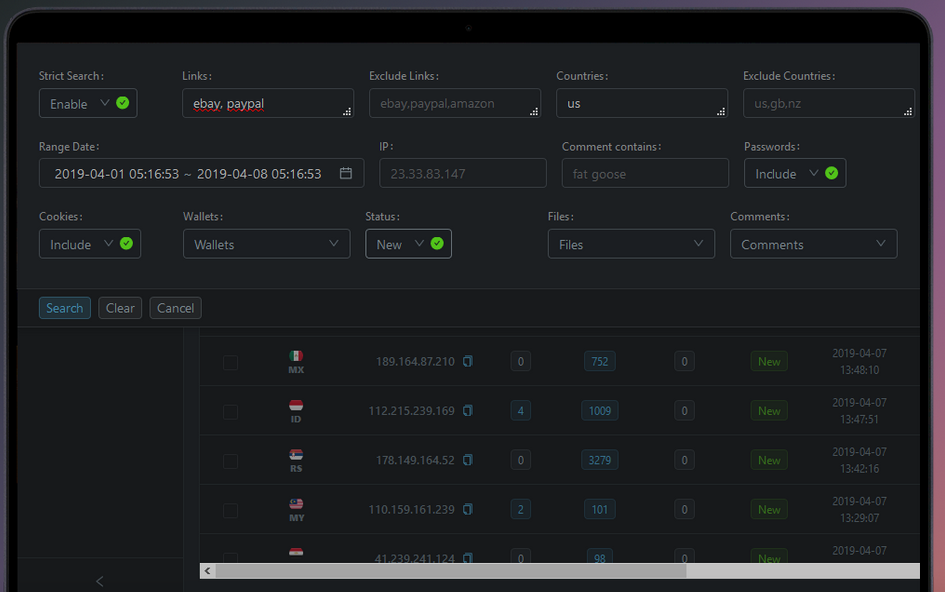
Raccoon was essentially a Web-based control panel, where — for $200 a month — customers could get the latest version of the Raccoon Infostealer malware, and interact with infected systems in real time. Security experts say the passwords and other data stolen by Raccoon malware were often resold to groups engaged in deploying ransomware.

Working with investigators in Italy and The Netherlands, U.S. authorities seized a copy of the server used by Raccoon to help customers manage their botnets. According to the U.S. Justice Department, FBI agents have identified more than 50 million unique credentials and forms of identification (email addresses, bank accounts, cryptocurrency addresses, credit card numbers, etc.) stolen with the help of Raccoon.

The Raccoon v. 1 web panel, where customers could search by infected IP, and stolen cookies, wallets, domains and passwords.

The unsealed indictment (PDF) doesn’t delve much into how investigators tied Sokolovsky to Raccoon, but two sources close to the investigation shared more information about that process on condition of anonymity because they were not authorized to discuss the case publicly.

According to those sources, U.S. authorities zeroed in on an operational security mistake that the Raccoon developer made early on in his posts to the crime forums, connecting a Gmail account for a cybercrime forum identity used by the Raccoon developer (“Photix”) to an Apple iCloud account belonging to Sokolovsky. For example, the indictment includes a photo that investigators subpoenaed from Sokolovsky’s iCloud account that shows him posing with several stacks of bundled cash.

A selfie pulled from Mark Sokolovsky’s iCloud account. Image: USDOJ.

When Russia invaded Ukraine in late February 2022, Sokolovsky was living in Kharkiv, a city in northeast Ukraine that would soon come under heavy artillery bombardment from Russian forces. Authorities monitoring Sokolovsky’s iCloud account had spent weeks watching him shuttle between Kharkiv and the Ukrainian capital Kyiv, but on Mar. 18, 2022, his phone suddenly showed up in Poland.

Investigators learned from Polish border guards that Sokolovsky had fled Ukraine in a Porsche Cayenne along with a young blond woman, leaving his mother and other family behind. The image at the top of this post was shared with U.S. investigators by Polish border security officials, and it shows Sokolovsky leaving Poland for Germany on Mar. 18.

At the time, all able-bodied men of military age were required to report for service to help repel the Russian invasion, and it would have been illegal for Sokolovsky to leave Ukraine without permission. But both sources said investigators believe Sokolovsky bribed border guards to let them pass.

Authorities soon tracked Sokolvsky’s phone through Germany and eventually to The Netherlands, with his female companion helpfully documenting every step of the trip on her Instagram account. Here is a picture she posted of the two embracing upon their arrival in Amsterdam’s Dam Square:

Authorities in The Netherlands arrested Sokolovsky on Mar. 20, and quickly seized control over the Raccoon Infostealer infrastructure. Meanwhile, on March 25 the accounts that had previously advertised the Raccoon Stealer malware on cybercrime forums announced the service was closing down. The parting message to customers said nothing of an arrest, and instead insinuated that the core members in charge of the malware-as-a-service project had perished in the Russian invasion.

“Unfortunately, due to the ‘special operation,’ we will have to close our Raccoon Stealer project,” the team announced Mar. 25. “Our team members who were responsible for critical components of the product are no longer with us. Thank you for this experience and time, for every day, unfortunately everything, sooner or later, the end of the WORLD comes to everyone.”

Sokolovsky’s extradition to the United States has been granted, but he is appealing that decision. He faces one count of conspiracy to commit computer fraud; one count of conspiracy to commit wire fraud; one count of conspiracy to commit money laundering, and one count of aggravated identity theft.

Sources tell KrebsOnSecurity that Sokolovsky has been consulting with Houston, Tx.-based attorney F. Andino Reynal, the same lawyer who represented Alex Jones in the recent defamation lawsuit against Jones and his conspiracy theory website Infowars. Reynal was responsible for what Jones himself referred to as the “Perry Mason” moment of the trial, wherein the plaintiff’s lawyer revealed that Reynal had inadvertently given them an entire digital copy of Jones’s cell phone. Mr. Reynal did not respond to requests for comment.

If convicted, Sokolovsky faces a maximum penalty of 20 years in prison for the wire fraud and money laundering offenses, five years for the conspiracy to commit computer fraud charge, and a mandatory consecutive two-year term for the aggravated identity theft offense.

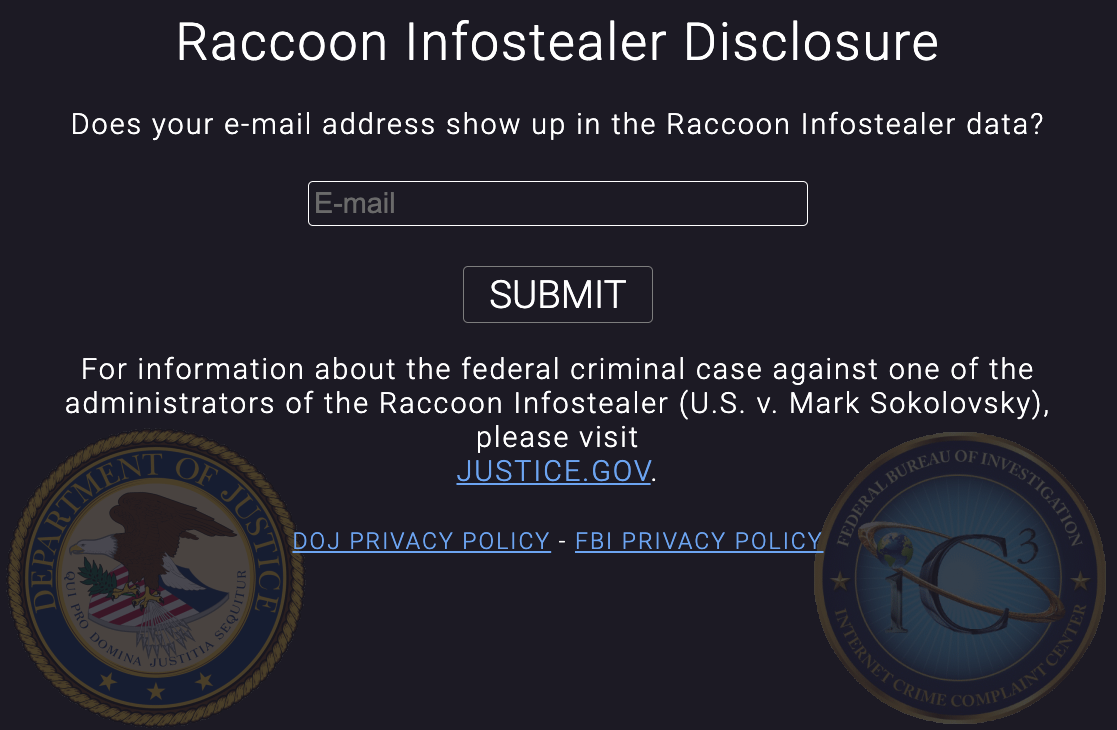
The Justice Department has set up a website — raccoon.ic3.gov — that allows visitors to check whether their email address shows up in the data collected by the Raccoon Stealer service.

https://phxtechsol.com/wp-content/uploads/2017/02/PTS-Horiz-logo-1-1200-300x53.jpg 0 0 Phoenix Technology https://phxtechsol.com/wp-content/uploads/2017/02/PTS-Horiz-logo-1-1200-300x53.jpg Phoenix Technology2022-10-31 17:21:572022-10-31 17:22:31Accused ‘Raccoon’ Malware Developer Fled Ukraine After Russian Invasion

Battle with Bots Prompts Mass Purge of Amazon, Apple Employee Accounts on LinkedIn

October 21, 2022/0 Comments/in Blog/by Phoenix Technology

On October 10, 2022, there were 576,562 LinkedIn accounts that listed their current employer as Apple Inc. The next day, half of those profiles no longer existed. A similarly dramatic drop in the number of LinkedIn profiles claiming employment at Amazon comes as LinkedIn is struggling to combat a significant uptick in the creation of fake employee accounts that pair AI-generated profile photos with text lifted from legitimate users.

Jay Pinho is a developer who is working on a product that tracks company data, including hiring. Pinho has been using LinkedIn to monitor daily employee headcounts at several dozen large organizations, and last week he noticed that two of them had far fewer people claiming to work for them than they did just 24 hours previously.

Pinho’s screenshot below shows the daily count of employees as displayed on Amazon’s LinkedIn homepage. Pinho said his scraper shows that the number of LinkedIn profiles claiming current roles at Amazon fell from roughly 1.25 million to 838,601 in just one day, a 33 percent drop:

The number of LinkedIn profiles claiming current positions at Amazon fell 33 percent overnight. Image: twitter.com/jaypinho

As stated above, the number of LinkedIn profiles that claimed to work at Apple fell by approximately 50 percent on Oct. 10, according to Pinho’s analysis:

Image: twitter.com/jaypinho

Neither Amazon or Apple responded to requests for comment. LinkedIn declined to answer questions about the account purges, saying only that the company is constantly working to keep the platform free of fake accounts. In June, LinkedIn acknowledged it was seeing a rise in fraudulent activity happening on the platform.

KrebsOnSecurity hired Menlo Park, Calif.-based SignalHire to check Pinho’s numbers. SignalHire keeps track of active and former profiles on LinkedIn, and during the Oct 9-11 timeframe SignalHire said it saw somewhat smaller but still unprecedented drops in active profiles tied to Amazon and Apple.

“The drop in the percentage of 7-10 percent [of all profiles], as it happened [during] this time, is not something that happened before,” SignalHire’s Anastacia Brown told KrebsOnSecurity.

Brown said the normal daily variation in profile numbers for these companies is plus or minus one percent.

“That’s definitely the first huge drop that happened throughout the time we’ve collected the profiles,” she said.

In late September 2022, KrebsOnSecurity warned about the proliferation of fake LinkedIn profiles for Chief Information Security Officer (CISO) roles at some of the world’s largest corporations. A follow-up story on Oct. 5 showed how the phony profile problem has affected virtually all executive roles at corporations, and how these fake profiles are creating an identity crisis for the businesses networking site and the companies that rely on it to hire and screen prospective employees.

A day after that second story ran, KrebsOnSecurity heard from a recruiter who noticed the number of LinkedIn profiles that claimed virtually any role in network security had dropped seven percent overnight. LinkedIn declined to comment about that earlier account purge, saying only that, “We’re constantly working at taking down fake accounts.”

A “swarm” of LinkedIn AI-generated bot accounts flagged by a LinkedIn group administrator recently.

It’s unclear whether LinkedIn is responsible for this latest account purge, or if individually affected companies are starting to take action on their own. The timing, however, argues for the former, as the account purges for Apple and Amazon employees tracked by Pinho appeared to happen within the same 24 hour period. Read more

https://phxtechsol.com/wp-content/uploads/2017/02/PTS-Horiz-logo-1-1200-300x53.jpg 0 0 Phoenix Technology https://phxtechsol.com/wp-content/uploads/2017/02/PTS-Horiz-logo-1-1200-300x53.jpg Phoenix Technology2022-10-21 15:46:032022-10-21 15:46:18Battle with Bots Prompts Mass Purge of Amazon, Apple Employee Accounts on LinkedIn

How Card Skimming Disproportionally Affects Those Most In Need

October 19, 2022/0 Comments/in Blog/by Phoenix Technology

When people banking in the United States lose money because their payment card got skimmed at an ATM, gas pump or grocery store checkout terminal, they may face hassles or delays in recovering any lost funds, but they are almost always made whole by their financial institution. Yet, one class of Americans — those receiving food assistance benefits via state-issued prepaid debit cards — are particularly exposed to losses from skimming scams, and usually have little recourse to do anything about it.

California’s EBT card does not currently include a chip. That silver square is a hologram.

Over the past several months, authorities in multiple U.S. states have reported rapid increases in skimming losses tied to people who receive assistance via Electronic Benefits Transfer (EBT), which allows a Supplemental Nutrition Assistance Program (SNAP) participant to pay for food using SNAP benefits.

When a participant uses a SNAP payment card at an authorized retail store, their SNAP EBT account is debited to reimburse the store for food that was purchased. EBT is used in all 50 states, the District of Columbia, Puerto Rico, the Virgin Islands, and Guam.

EBT cards work just like regular debit cards, in that they can be used along with a personal identification number (PIN) to pay for goods at participating stores, and to withdraw cash from an ATM.

However, EBT cards differ from debit cards issued to most Americans in two important ways. First, most states do not equip EBT cards with smart chip technology, which can make payment cards much more difficult and expensive for skimming thieves to clone.

Alas, it is no accident that all of the states reporting recent spikes in fraud tied to EBT accounts — including California, Connecticut, Maryland, Pennsylvania, Tennessee, and Virginia appear to currently issue chip-less cards to their EBT recipients.

The Massachusetts SNAP benefits card looks more like a library card than a payment card.  Oddly enough, both are reliant on the same fundamentally insecure technology: The magnetic stripe, which stores cardholder data in plain text that can be easily copied.

In September, authorities in California arrested three men thought to be part of a skimming crew that specifically targeted EBT cards and balances. The men allegedly installed deep insert skimmers, and stole PINs using tiny hidden cameras.

“The arrests were the result of a joint investigation by the Sheriff’s Office and Bank of America corporate security,” reads a September 2022 story from The Sacramento Bee. “The investigation focused on illegal skimming, particularly the high-volume cash-out sequence at ATMs near the start of each month when Electronic Benefits Transfer accounts are funded by California.”

Armed with a victim’s PIN along with stolen card data, thieves can clone the card onto anything with a magnetic stripe and use it at ATMs to withdraw cash, or as a payment instrument at any establishment that accepts EBT cards.

Skimming gear seized from three suspects arrested by Sacramento authorities in September. Image: Sacramento County Sheriff’s Office.

Although it may be shocking that California — one of America’s wealthiest states — still treats EBT recipients as second-class citizens by issuing them chip-less debit cards, California behaves like most other states in this regard.

More critical, however, is the second way SNAP cards differ from regular debit cards: Recipients of SNAP benefits have little to no hope of recovering their funds when their EBT cards are copied by card-skimming devices and used for fraud.

That’s because in the SNAP program, federal law bars the states from replacing SNAP benefits using federal funds. And while some of these EBT cards have Visa or MasterCard logos on them, it is not up to those companies to replace funds in the event of fraud.

Victims are encouraged to report the theft to both their state agency and the local police, but many victims say they rarely receive updates on their cases from police, and, if they hear from the state, it’s usually the agency telling them it found no evidence of fraud.

Maryland’s EBT card.

That’s according to Brenna Smith, a reporter at The Baltimore Banner who recently wrote about the case of a Maryland mother of three who lost nearly $3,000 in SNAP benefits thanks to a skimmer installed at a local 7-Eleven. Maryland [Department of Human Services] spokesperson Katherine Morris told the Banner there was evidence of “a nationwide EBT card cloning scheme.”

The woman profiled in Smith’s story contacted all of the retailers where her EBT card was used to buy thousands of dollars worth of baby formula. Two of those retailers agreed to share video surveillance footage of the people making the purchases at the exact timestamps specified in her EBT account history: The videos clearly showed it was the same fraudster making both purchases with a cloned copy of her EBT card.

Even after the police officer assigned to the victim’s case confirmed they found a skimmer installed at the 7-Eleven store she frequented, her claim — which was denied — is still languishing in appeals months later.

(Left) A video still showing a couple purchasing almost $1,200 in baby formula using SNAP benefits. (Right) A video still of a woman leaving from the CVS in Seat Pleasant. Image: The Baltimore Banner.

The Center for Law and Social Policy (CLASP) recently published Five Ways State Agencies Can Support EBT Users at Risk of Skimming. CLASP says while it is true states can’t use federal funds to replace benefits unless the loss was due to a “system error,” states could use their own funds.

“Doing so will ensure families don’t have to go without food, gas money, or their rent for the month,” CLASP wrote.

That would help address the symptoms of card skimming, but not a root cause. Hardly anyone is suggesting the obvious, which is to equip EBT cards with the same security technology afforded to practically everyone else participating in the U.S. banking system.

There are several reasons most state-issued EBT cards do not include chips. For starters, nobody says they have to. Also, it’s a fair bit more expensive to produce chip cards versus plain old magnetic stripe cards, and many state assistance programs are chronically under-funded. Finally, there is no vocal (or at least well-heeled) constituency advocating for change.

https://phxtechsol.com/wp-content/uploads/2017/02/PTS-Horiz-logo-1-1200-300x53.jpg 0 0 Phoenix Technology https://phxtechsol.com/wp-content/uploads/2017/02/PTS-Horiz-logo-1-1200-300x53.jpg Phoenix Technology2022-10-19 15:26:522022-10-19 15:27:27How Card Skimming Disproportionally Affects Those Most In Need
Page 16 of 59«‹1415161718›»

Archive

  • June 2024
  • May 2024
  • April 2024
  • March 2024
  • February 2024
  • January 2024
  • December 2023
  • November 2023
  • October 2023
  • September 2023
  • August 2023
  • July 2023
  • June 2023
  • May 2023
  • April 2023
  • March 2023
  • February 2023
  • January 2023
  • December 2022
  • November 2022
  • October 2022
  • September 2022
  • August 2022
  • July 2022
  • June 2022
  • May 2022
  • April 2022
  • March 2022
  • February 2022
  • January 2022
  • December 2021
  • November 2021
  • October 2021
  • September 2021
  • August 2021
  • July 2021
  • June 2021
  • May 2021
  • April 2021
  • March 2021
  • February 2021
  • January 2021
  • December 2020
  • November 2020
  • October 2020
  • September 2020
  • August 2020
  • July 2020
  • June 2020
  • May 2020
  • April 2020
  • March 2020
  • February 2020
  • January 2020
  • December 2019
  • November 2019
  • October 2019
  • September 2019
  • August 2019
  • July 2019

Categories

  • Blog
  • Uncategorized

Facebook

Contact Info

2415 E Camelback Rd
Suite 700, PMB 7019
Phoenix, AZ 85016

602-461-7219

Recent Posts

  • How SentinelOne Delivers Results, Not Noise | MITRE Managed Services Engenuity ATT&CK® Evaluations
  • PinnacleOne ExecBrief | Deep Tech In The Crosshairs
  • Alleged Boss of ‘Scattered Spider’ Hacking Group Arrested
© Copyright 2025 - Phoenix Technology Solutions LLC
  • Link to Facebook
  • Link to X
  • Link to LinkedIn
  • Link to Rss this site
  • Privacy Policy
  • Terms And Conditions
  • Disclaimer
Scroll to top Scroll to top Scroll to top

This site uses cookies. By continuing to browse the site, you are agreeing to our use of cookies.

OKLearn more

Cookie and Privacy Settings


How we use cookies

We may request cookies to be set on your device. We use cookies to let us know when you visit our websites, how you interact with us, to enrich your user experience, and to customize your relationship with our website.

Click on the different category headings to find out more. You can also change some of your preferences. Note that blocking some types of cookies may impact your experience on our websites and the services we are able to offer.

Essential Website Cookies

These cookies are strictly necessary to provide you with services available through our website and to use some of its features.

Because these cookies are strictly necessary to deliver the website, refusing them will have impact how our site functions. You always can block or delete cookies by changing your browser settings and force blocking all cookies on this website. But this will always prompt you to accept/refuse cookies when revisiting our site.

We fully respect if you want to refuse cookies but to avoid asking you again and again kindly allow us to store a cookie for that. You are free to opt out any time or opt in for other cookies to get a better experience. If you refuse cookies we will remove all set cookies in our domain.

We provide you with a list of stored cookies on your computer in our domain so you can check what we stored. Due to security reasons we are not able to show or modify cookies from other domains. You can check these in your browser security settings.

Google Analytics Cookies

These cookies collect information that is used either in aggregate form to help us understand how our website is being used or how effective our marketing campaigns are, or to help us customize our website and application for you in order to enhance your experience.

If you do not want that we track your visit to our site you can disable tracking in your browser here:

Other external services

We also use different external services like Google Webfonts, Google Maps, and external Video providers. Since these providers may collect personal data like your IP address we allow you to block them here. Please be aware that this might heavily reduce the functionality and appearance of our site. Changes will take effect once you reload the page.

Google Webfont Settings:

Google Map Settings:

Google reCaptcha Settings:

Vimeo and Youtube video embeds:

Other cookies

The following cookies are also needed - You can choose if you want to allow them:

Accept settingsHide notification only